
Clinical Genetics Services
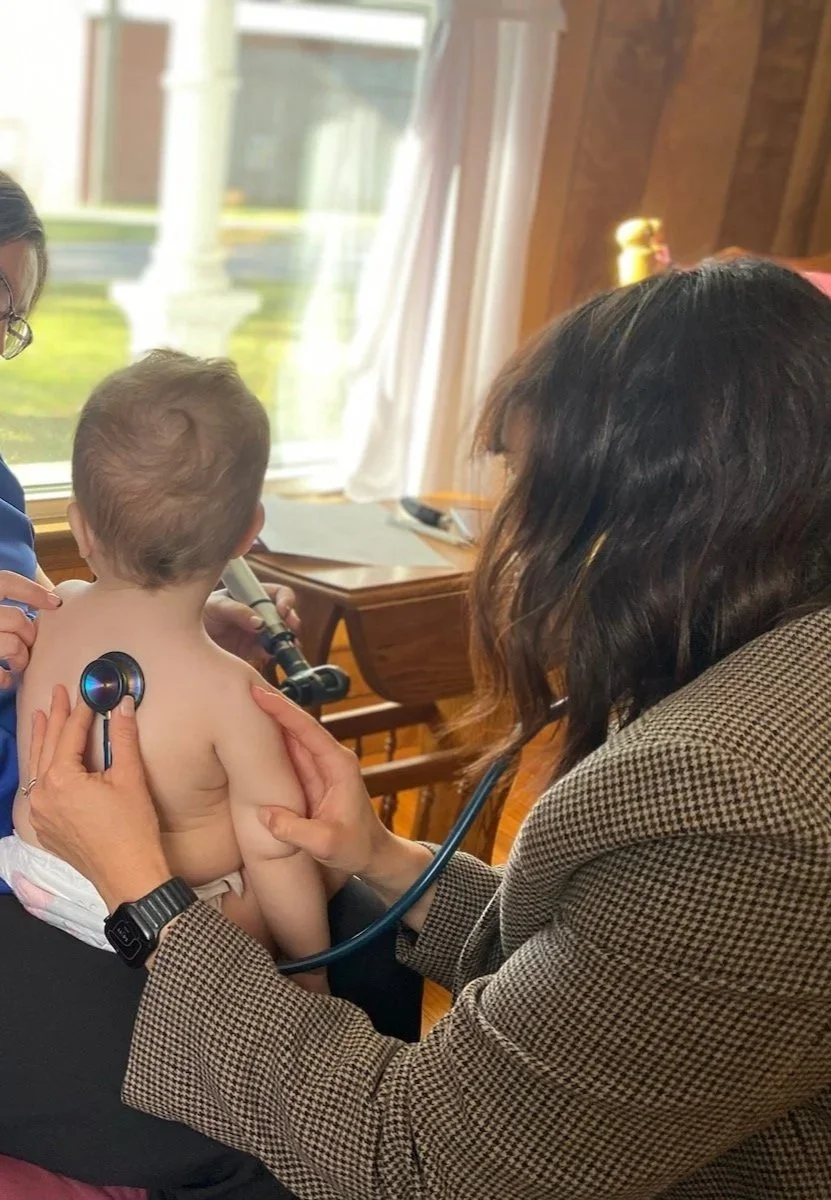
Specialized Care for Genetic and Rare Diseases
The Community Health Clinic provides comprehensive clinical and biochemical genetics services for children and adults with genetic disorders, rare diseases, and inherited metabolic conditions.
Our team helps individuals and families obtain accurate diagnoses, understand their genetic conditions, and develop personalized care plans. Whether symptoms are physical, developmental, behavioral, or neurological in nature, we are committed to providing expert medical care, education, advocacy, and ongoing support.
Through clinic visits, telemedicine, outreach clinics, and home visits for qualifying patients, we work to reduce barriers to genetics care and bring services closer to the communities we serve.
Clinical & Biochemical Genetics
Clinical genetics is a specialized area of medicine focused on diagnosing, treating, and improving quality of life in patients with genetic disorders. These conditions may be inherited through families or may occur for the first time in an individual.
Biochemical genetics focuses on inherited metabolic disorders, also known as inborn errors of metabolism (IEMs). These conditions affect the body's ability to process nutrients and produce energy. Many metabolic disorders require specialized diets, medications, nutritional support, and regular laboratory monitoring to prevent complications.
At the CHC, clinical genetics services are provided by clinical geneticists and a multidisciplinary team caring for individuals with complex, rare genetic conditions through every stage of life. Patients requiring ongoing metabolic care also have access to a 24/7 on-call provider service for urgent questions, illness management, and metabolic emergencies.
The Community Health Clinic partners with leading laboratories across the country to provide advanced genetic testing and specialized laboratory monitoring. We work closely with testing laboratories to help make testing as affordable as possible and actively participate in sponsored testing programs that may provide free testing for qualifying patients.
Our onsite laboratory:
Collects patient samples
Facilitates genetic testing
Coordinates metabolic monitoring
Obtains specialized laboratory studies
Processes and ships samples
This allows patients to receive evaluation, testing, and ongoing monitoring in one convenient location.
Genetic Testing & Laboratory Monitoring
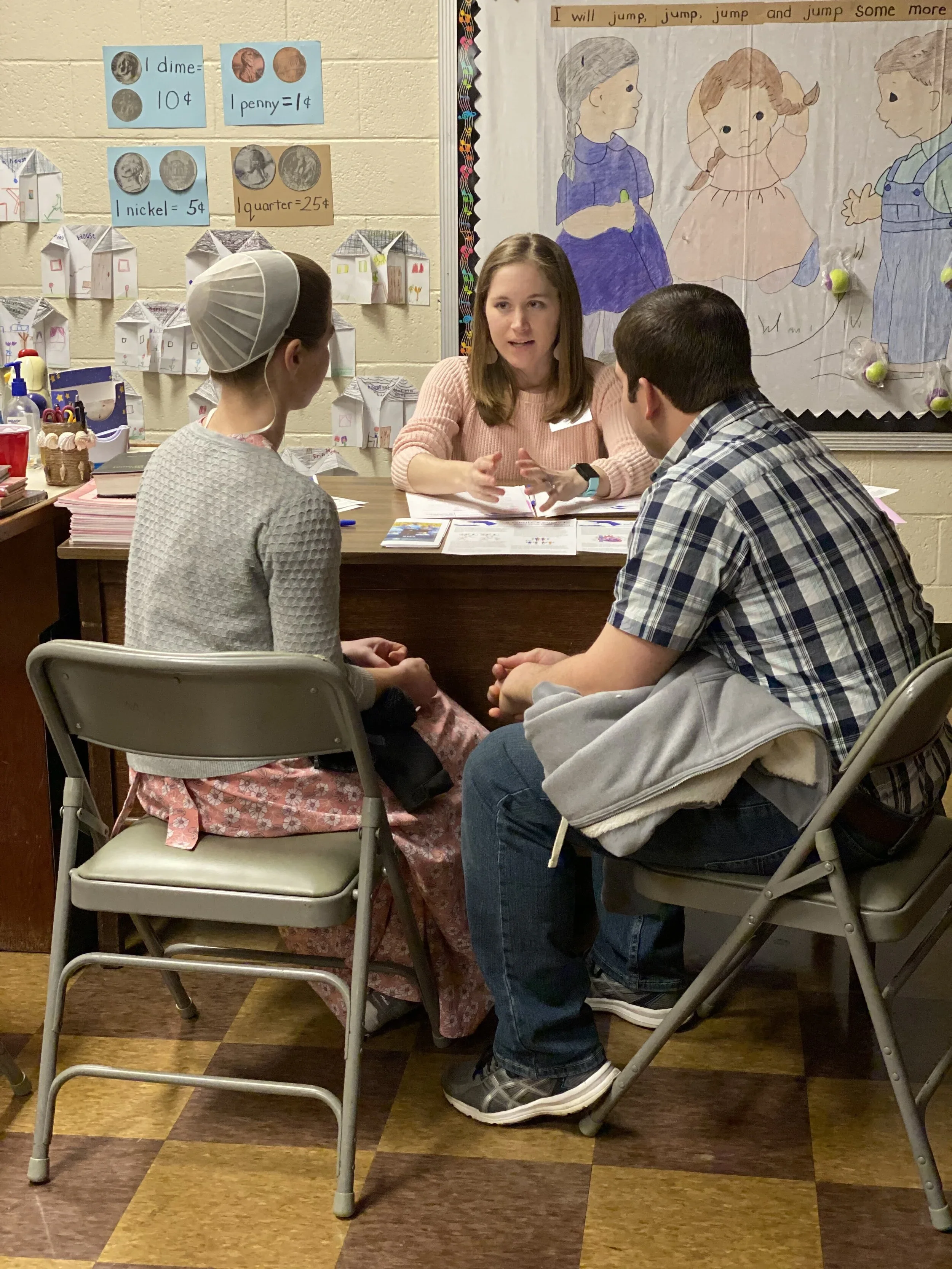
Genetic Counseling
Genetic counseling is an important part of genetics care. Our genetic counselors help patients and families understand genetic conditions, inheritance patterns, testing options, and medical recommendations.
Genetic counseling may include:
Review of family history
Pedigree development
Education about genetic conditions
Discussion of testing options
Review of genetic test results
Carrier screening
Ongoing support and advocacy
After testing is completed, our genetic counselors meet with patients and families to explain their results and determine the most appropriate next steps for care and treatment.
Conditions We Diagnose & Manage
The Community Health Clinic has seen over 320 rare genetic conditions. The genetic conditions seen most commonly at the CHC include:
Hypertrophic Cardiomyopathy (MYBPC3)
Phenylketonuria (PKU)
Fatty Acid Oxidation Disorders (MCADD and VCLAD)
Cobalamin C Deficiency (MMACHC)
Neurodevelopmental disorder with hypotonia, craniofacial abnormalities, and seizures (SNIP1)
Limb Girdle Muscular Dystrophy R1 (CAPN3)
Propionic Acidemia (PCCB)
Zellweger Spectrum Disorder (PEX26)
Nonketonic Hyperglycinemia (NKH)
FAQ’s
-
Genetic disorders are medical conditions caused by changes in a person’s genetic information (genes and DNA), the blueprint inside our cells that gives instructions for how our bodies develop, grow, and work. People with genetic disorders are born with them, but the actual signs of a genetic disorder can appear while a baby is still in the womb, at birth, or later in life. Genetic disorders can have a wide variety of symptoms, which often requires care by many types of doctors.
The CHC’s clinical team is led by geneticist, Dr. Zineb Ammous (“Dr. Z” for short). A geneticist is a doctor with specialized training to diagnose and manage rare genetic disorders. Sometimes a genetic disorder can be easily diagnosed, but many times, it is not that simple. In some cases, a diagnosis may not be found if the cause of the genetic disorder is still unknown or if the necessary medical technology is not available yet.
-
Some individuals and families experiencing ongoing or unexplained health concerns may have an underlying genetic condition.
Common concerns may include:
Multiple miscarriages, stillbirths, or loss of a child to an unknown cause
Learning problems
Muscle weakness
Seizures
Liver disease
Slow growth or weight gain in a child
Multiple birth defects
Developmental delays
Recurrent infections
If you or someone in your family experiences any of these symptoms, contact the CHC.
-
The goal of finding a genetic diagnosis is to keep the person as healthy as possible. While many genetic disorders do not have a complete cure, they can still be treated to reduce symptoms or prevent future complications. Even if someone has complex healthcare needs that have been managed for years, a genetic diagnosis may help doctors find a better treatment or care plan.
If a genetic disorder is suspected but the cause has not yet been identified, the CHC may still be able to help.
-
Since genetic disorders are rare, lifelong diseases, it is important for someone with a genetic disorder to see a geneticist throughout their life. A person with a genetic disorder may often see many types of doctors (family doctor, neurologist, cardiologist, etc.). However, these specialty doctors may not be as familiar with rare genetic disorders as a geneticist. Research is done every day, so the testing and treatment plan for a genetic disorder may change over time. The geneticists at the CHC are trained to manage genetic diseases and stay up to date with advances in treatment.
Please do not hesitate to contact the CHC to find out if you or your child could benefit from being a patient at the CHC.